
On February 25, 2026, the U.S. District Court for the District of Oregon granted the Motions for Preliminary Injunction filed by Plaintiffs, including environmental organizations and the State of Oregon, requiring increased spill operations at several federal hydroelectric facilities during the 2026 fish migration season.
For decades, litigation over the operation of the Federal Columbia River Power System (FCRPS) has focused on one of the Pacific Northwest’s most difficult challenges: balancing the region’s reliance on low-cost, non-emitting hydroelectric power with the federal government’s obligations to protect endangered salmon and steelhead under the Endangered Species Act (ESA). The dispute has resulted in multiple Biological Opinions under the ESA, over two decades of litigation, and ongoing uncertainty for federal agencies, utilities, tribes, environmental organizations, and renewable energy developers.
In 2023, Plaintiffs, Tribes, and federal agencies entered into a Memorandum of Understanding (MOU), agreeing to stay the litigation for five years as those parties worked toward a long-term solution. Following the revival of the Trump administration, however, the federal government withdrew from the MOU. At Plaintiffs’ request, the District Court then reopened the litigation, entering the next chapter in the ongoing FCRPS litigation.
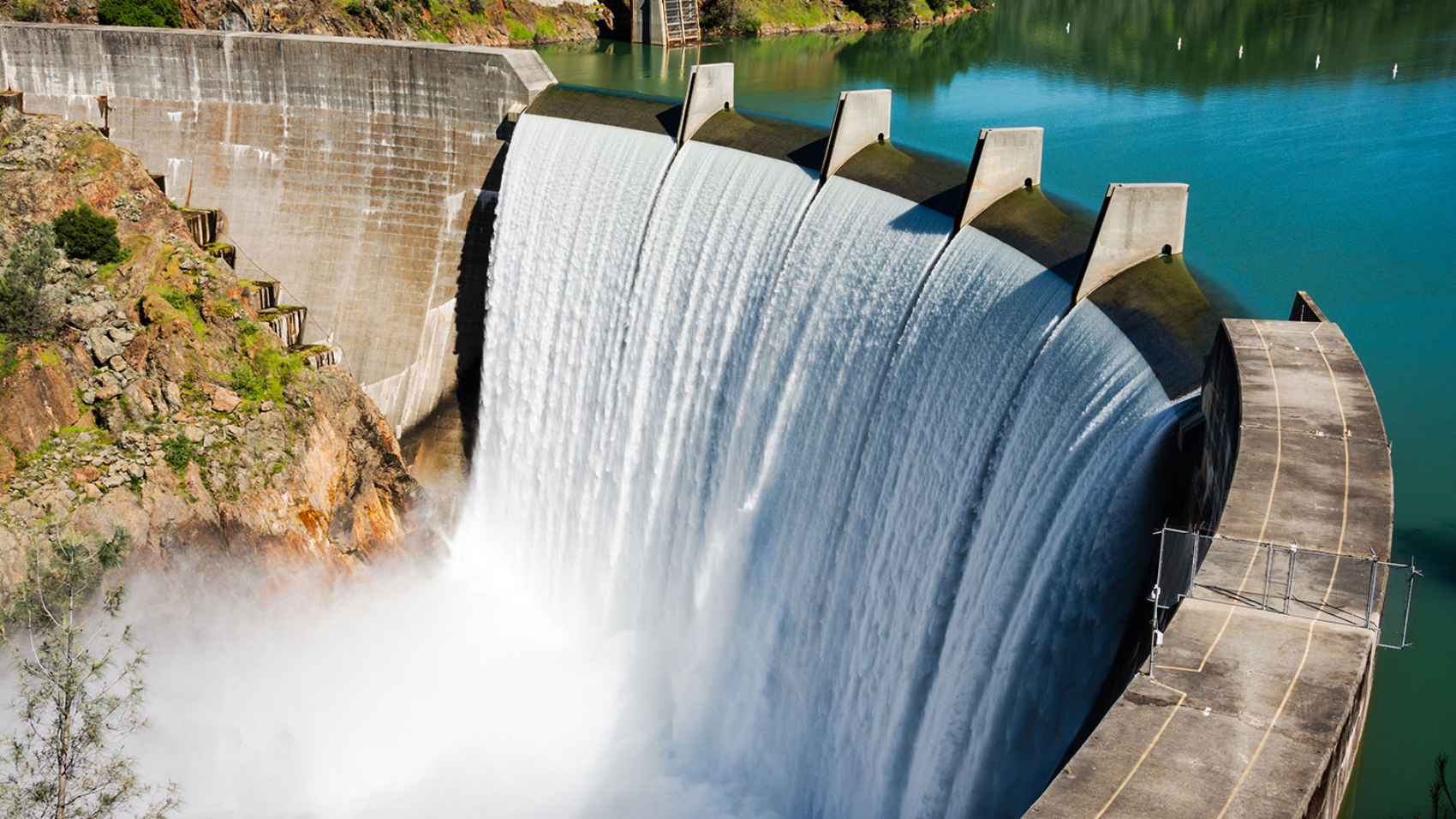
Plaintiffs filed two simultaneous Motions for Preliminary Injunction, seeking increased spill at several federal hydroelectric projects for the 2026 fish migration season and arguing that additional spill was necessary to protect the spawning cycle of ESA-listed salmon and steelhead. Spill refers to water that is released over a dam rather than routed through turbines to generate electricity. While some level of spill has the potential to improve fish passage, too much spill can be harmful, and any level of spill also reduces the amount of water available to generate electricity. Plaintiffs also requested reservoir elevation operations and related conservation measures at the federal projects.
Following briefing from the Federal Defendants, PPC, and other Defendant-Intervenors, PPC successfully argued that the court should 1) direct the parties to confer on reasonable operations and spill levels, and 2) decline to order several measures requested by Plaintiffs, including lower reservoir elevations. The court adopted portions of the Defendant-Intervenor Group’s recommended operations proposed as part of the court-directed conferral process, including proposed summer spill operations at Ice Harbor and John Day Dams. However, the court ultimately granted Plaintiffs’ requested Preliminary Injunction, including contested spill levels that reduce hydropower production in a region that needs cost-effective and reliable power in the face of resource adequacy concerns.
After the court granted Plaintiffs’ requested Preliminary Injunction, PPC identified a key factual error in the court’s description of the MOU that was relied upon to make the court’s ultimate findings and conclusions in its Opinion and Order explaining the rationale for the Preliminary Injunction. The opinion stated that the MOU contemplated full spill through the end of August, when the MOU in fact provided for full spill only through July 31. PPC filed a Motion for Reconsideration, and the court subsequently amended its Opinion and Order, correcting that factual error. The court did not, however, modify its analysis that had relied on the fact error, but it denied PPC’s motion and declined to reconsider whether the corrected factual record affected its decision to grant the Preliminary Injunction. Sanger Greene represents the Public Power Council (Irion Sanger and Max Greene) in the litigation and the pending appeal. PPC is a nonprofit trade association representing the interests of consumer-owned utilities across the Pacific Northwest, including public utility districts, municipal utilities, electric cooperatives, and port districts that provide reliable and affordable electric service to millions of customers throughout the region.